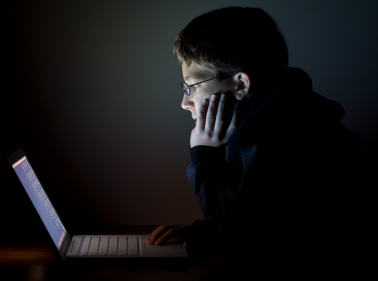







If you have a teenager between the ages of 13 and 17, chances are very good that they have at least one profile on MySpace, Facebook, Friendster, Xanga or one of the other popular social networks. After all, a 2006 study conducted by Cox Communications and the National Center for Missing and Exploited Children (NCMEC) approximately 61% of teenagers, ages 13 to 17 years old have a personal profile on one of the social networking sites. Of this group, older teens, age 16 and 17, and girls make up for most of the social networking profile holders. So if your teenager has a space on MySpace, there are a few things that you, as a parent, should know and do to keep your child safe.
Chilling Facts on Teen Internet Usage and Perception
First, let’s get the scary stuff out of the way. These statistics come from the study done by Cox Communication and NCMEC and they give us a chilling glimpse into what our children are facing in today’s online world.
Read More
Search Tags: 
Facebook Friendster internet safety Myspace online profiles online social networks Xanga
Kids are vulnerable. Kids are curious. And Kids will do anything you allow them to get away with, and will continue until someone puts their foot down!
What about a child’s privacy? Many parents sometimes say, “I don’t like to violate my child’s privacy.” Alternatively, they might believe, stuff like that only happens to someone else’s child.
Are you this type of parent? Do you have these types of children? Well if you are and are dealing with curious and vulnerable children, listen up, because I will take on a journey through reality whilst showing you how to avoid online dangers by providing your child safety.
Read More
Search Tags: 
child safety cyber stalkers internet safety online safety
Understanding child safety and online dangers is essential for protecting your children. If you have an understanding of the Internet, you are aware that dangers lurk in nearly every corner. The Internet is a growing roadway that links people together through a network. The logic of learning the Internet is part of teaching your child how to miss online dangers, and some of that information will include where children visit online. What types of dangers are online? How can you protect your child from these dangers? What does the Internet offer to children? Why are the children interested in a virtual reality platform?
Read More
Search Tags: 
child safety online internet safety online predators online safety
by Michelle Donaghey
They are waiting to be your child’s best friend and confidant, knowing what to say and how to say it whether you realize they are there or not. While you may think they are, not all are old men with long baggy coats either. They can be young , married or of the opposite sex they claim to be. If you met them on the street, you might not even think twice about them. Some may even be teachers , coaches or preachers in your community.
On-line predators do not fit a mold. Often pedophiles pretend to be a friend who is the same age of the child. At first, he or she might talk to your child over several nights or weeks in order to become closer to them. Eventually the conversation might move into sexual topics. Eventually the pedophile posing as a child may ask where your daughter or son lives, goes to school and his or her phone number. Sometimes he or she may try to set up a face-to-face.
Read More
Search Tags: 
internet internet safety Myspace online predators
By Alan and Shonna Hammond
Suffocation is the fourth leading cause of unintentional child death. Not “intentional” suffocation as with homicide, but accidental, unexpected death by suffocation. Most people can imagine the horror of going into your infant or child’s room in the morning and finding the little one lifeless. It is a very real occurrence, but also one that is preventable.
Read More
Search Tags: 
child safety choking strangulation unintentinoal child death
by Stacey Schifferdecker
Social networking sites are the newest and hottest thing on the internet, and even if you’ve never heard of them, chances are your tween or teen has. MySpace and Facebook are the most popular sites, but Wikipedia actually lists over 100 social networking sites catering to all types of interests.
Read More
Search Tags: 
Online safety begins with conversation. Parents need to have open an honest conversations with thier children about some of the dangers, and be willing to answer questions their child may have. It is also important for parents the benefits and dangers and to have an understanding what their kids are doing online. The Internet can be a safe place, and a place for your child to gain invaluable knowlege and exposure to the rest of the world, but care must be taken, and as you would talk to your child about not talking to strangers, so must you talk to your child about how to stay safe online. Here are some tips by Michelle,freelance writer and Mother.
Read More
Search Tags: 
As parents of children we are all concerned about our childs safety. Keeping your kids safe on the Internet is just as important as keeping them safe anywhere else. While you may think that it really does not matter whether you know what they are doing or who they are talking with on the internet, make sure your children feel comfortable talking to you about their online experiences, whether they are good and bad experiences. If you catch your child doing something inappropriate, never threaten to take away Internet access as a punishment for something that happens to your children while they are online.
Read More
Search Tags: 
Are you worried?
Below are some signs to watch for in your child behavior:
- Your child is spending a large amount of time on-line, especially late at night.
- You find pornography on your child’s computer.
- Your child receives phone calls from men you don’t know or is making
calls, sometimes long distance, to numbers you don’t recognize.
Your child receives mail, gifts, or packages from someone you don’t
know.
- Your child turns the computer monitor off or quickly changes the screen
on the monitor when you come into the room.
- Your child becomes withdrawn from the family and friends.
- Your child starts using an on-line account belonging to someone else.
Posting Search Tags: Parenting Internet Safety
Technorati Profile
Search Tags: